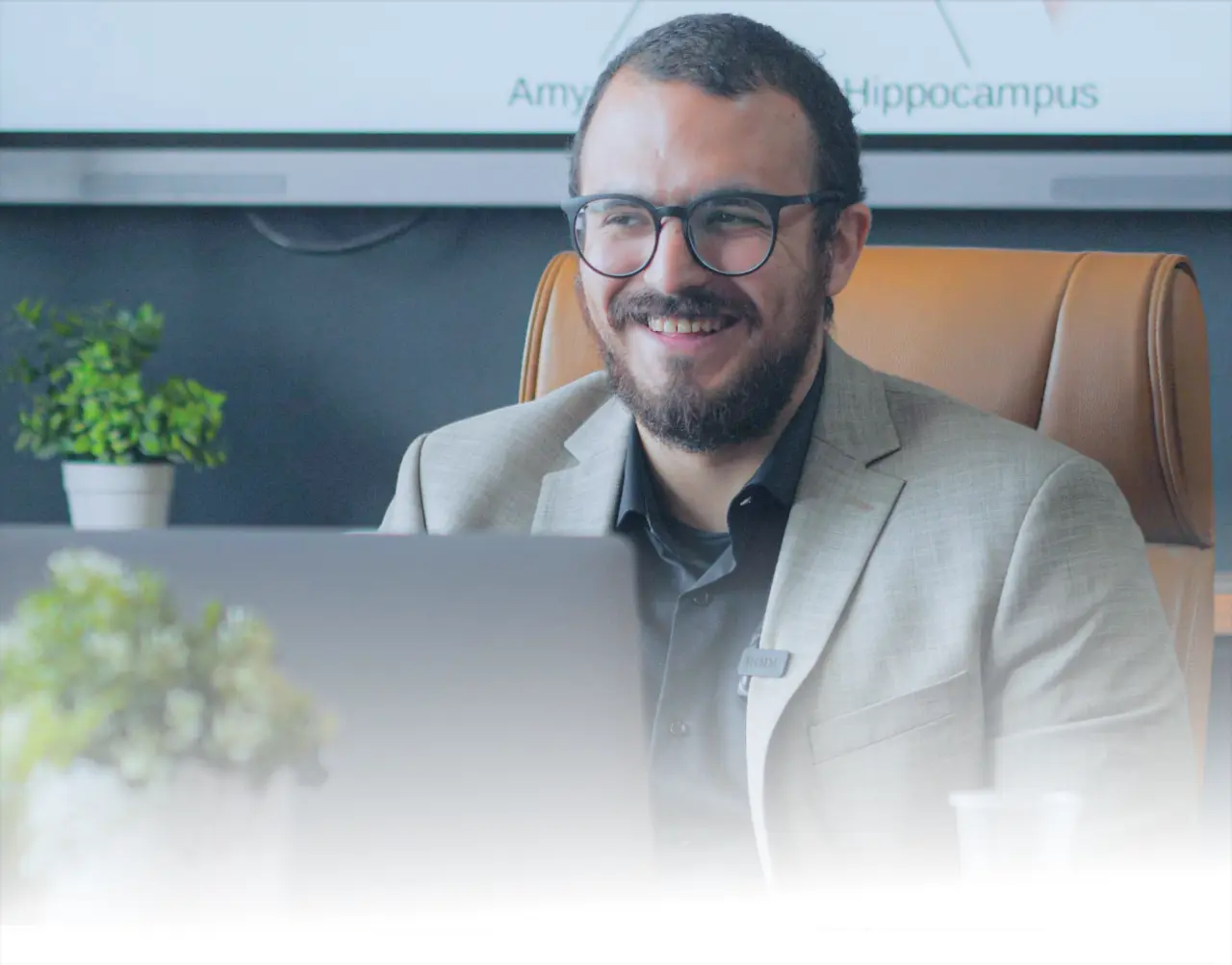
Direct answer
Who are these online sessions for?
These sessions are for Muslim adults worldwide who want help with persistent stress, repetitive thoughts, mind–body symptoms, relationship patterns, difficult transitions or an inner conflict they have not been able to resolve alone. You may be living in Europe, North America, the Gulf, Africa or elsewhere. You do not need to be highly religious, and you do not need to frame your difficulty in religious terms. What matters is that you want a professional conversation in which your values and context will not be dismissed or stereotyped.
The first session is designed to understand the problem, its history, its impact and the factors that may be maintaining it. It is not a promise of instant transformation and it does not automatically commit you to a programme. You may leave with a clearer formulation and a practical next step, or Dr Oussama may recommend further sessions, medical assessment or another form of local care. The recommendation follows the situation rather than a pre-set sales package.
01
Common reasons Muslim clients seek online support
Some clients feel caught between personal needs and family expectations. Others face marriage, separation, parenting, work pressure, migration, loneliness or grief. A person may understand what to do yet remain unable to change an automatic response. They may overthink, avoid conversations, become tense or repeatedly reach the same conflict.
Physical experiences may also be part of the picture: headaches, digestive discomfort, fatigue, chest tightness, muscle tension, disturbed sleep or a sense of being constantly alert. These symptoms are real and can have many causes. A psychosomatic perspective explores possible links with stress and lived experience while respecting the need for proper medical evaluation. It should never be used to declare that a symptom is imaginary or to delay urgent care.
- ✓Stress or worry that is affecting sleep, concentration or daily life
- ✓Physical symptoms that have been medically assessed but intensify under pressure
- ✓Relationship or family patterns that keep repeating
- ✓Identity, migration or belonging conflicts
- ✓A wish to understand the problem before choosing longer-term support
02
Culturally sensitive does not mean reducing therapy to religion
Faith can be a source of meaning, discipline, hope and community. It can also be entangled with guilt, fear, family pressure or questions about identity. Good therapeutic work does not assume what Islam means to you. It asks. Religious practice may be relevant, partly relevant or not central to the issue at all. Your beliefs are respected without replacing psychological and medical thinking with preaching.
For Muslims living as minorities, different expectations at home, at work and in wider society can add pressure. The session aims to understand that context without pathologising faith or automatically endorsing family expectations. Your agency remains central.
03
A psychosomatic approach to mind and body
Psychosomatic medicine looks at the interaction between physical symptoms, nervous-system responses, emotions, behaviour and life context. It does not claim that all illness is caused by stress. A headache, palpitation, digestive symptom or pain may require medical investigation, and remote conversation cannot replace a physical examination. The purpose is to avoid the opposite mistake as well: treating the body as if sleep, relationships, fear and prolonged pressure could never influence how symptoms are experienced.
A useful assessment asks when the symptom began, what changes it, what has already been investigated, how it affects your functioning and what happens emotionally and behaviourally around it. Sometimes fear of the symptom increases monitoring and tension, which then makes the symptom feel stronger. Sometimes the main issue lies elsewhere. The clinician’s responsibility is to remain curious, cautious and ready to recommend medical or specialist care when needed.
04
What happens in the first online session?
1. We clarify the problem and your goal
You explain what brings you to the session and what you would like to be different. Dr Oussama asks focused questions about the timeline, important situations, health history and strategies you have already tried. You remain in control of what you disclose. If a topic feels too sensitive for a first meeting, you can say so. A productive session requires consent and collaboration, not pressure.
2. We map the pattern
The discussion looks for connections among thoughts, emotions, body sensations, actions and relationships. A typical loop might involve a trigger, a fearful interpretation, physical tension, avoidance, temporary relief and then greater sensitivity the next time. Another loop may be interpersonal: remaining silent, building resentment, reacting strongly and then feeling guilty. Naming the sequence creates a practical map rather than a vague label.
3. We agree on a proportionate next step
The session ends with a summary and a realistic recommendation. That may be a specific observation, a practice between sessions, another appointment, a medical check or referral to a local professional. If a multi-session Premium online programme is appropriate, its goals, format, duration and fee are discussed separately. A seven-week structure may be considered for some needs, but it is not automatically offered to everyone.
05
Dr Oussama Benchekroun’s clinical approach
Dr Oussama Benchekroun is a Moroccan physician and graduate of the Faculty of Medicine and Pharmacy of Fès. His work brings together medicine, psychotherapy, psychosomatic medicine and therapeutic hypnosis. He has also trained in systemic approaches, couples and family therapy, and cognitive behavioural therapy. These frameworks provide different lenses; they are not a collection of techniques applied mechanically to every client.
Therapeutic hypnosis may be used when it matches the goal, is considered appropriate and you consent to it. It is a focused way of working with attention, imagery, bodily experience and internal resources. You remain conscious and able to speak or stop. It is not sleep, mind control or a guaranteed shortcut. Many useful sessions do not involve hypnosis at all. The choice of method follows the formulation developed with you.
06
Privacy and practical preparation for an international session
Choose a quiet room where you cannot be overheard. Headphones can help when other people are nearby. Use a private internet connection instead of public Wi-Fi when possible, secure your device and do not record the session without explicit agreement. Online work has specific privacy limits, so the physical environment on your side matters. If the connection fails, a backup plan may involve reconnecting, a brief phone call or rescheduling.
When sending three preferred times, include your city or country so the coordinator can account for the time zone. WhatsApp is for scheduling; avoid sending a full medical history or sensitive documents in the first message.
07
One consultation or a structured follow-up programme?
One consultation can clarify a decision or identify the next professional step. Established patterns may require several sessions and practice between meetings. The exact number cannot be known before understanding the person, the goal, the severity and the way the work develops.
When deeper support is indicated, Dr Oussama may suggest individual sessions combined with a Premium online programme. Depending on the need, this can include structured exercises, guided practices, educational material and a progression between sessions. A seven-week change programme may be proposed in some cases. Its content and price depend on the individual plan. You receive an explanation and remain free to accept, ask questions or decline.
08
When should you book, and when do you need urgent local help?
Consider booking when the problem repeatedly affects relationships, work, studies, sleep or important decisions. You do not need a diagnosis. Note when it started, what changes it, what medical checks were completed and what change matters most to you.
A scheduled online session is not an emergency or crisis service. If you may harm yourself or someone else, cannot stay safe, have severe breathing difficulty, new chest pain, loss of consciousness, sudden neurological symptoms or another immediate danger, contact emergency services where you are physically located. Do not wait for a WhatsApp reply. International online care must never replace local emergency response.
Written and reviewed by
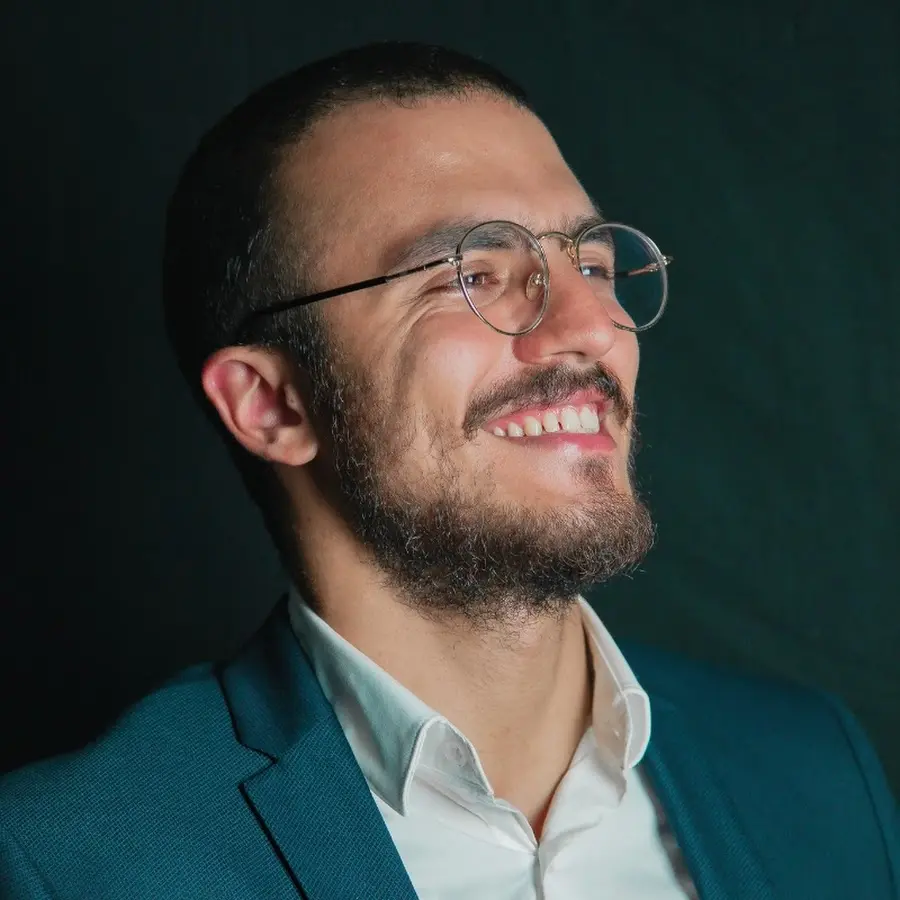
Dr Oussama Benchekroun
Dr Oussama Benchekroun is a Moroccan physician and graduate of the Faculty of Medicine and Pharmacy of Fès. His integrative work combines psychosomatic medicine, psychotherapy and therapeutic hypnosis while respecting cultural context, patient choice and the limits of international online care.
8 years of experience · more than 10,000 sessionsLast reviewed: 19 October 2026Health references
These resources provide general context and do not replace individual medical assessment.