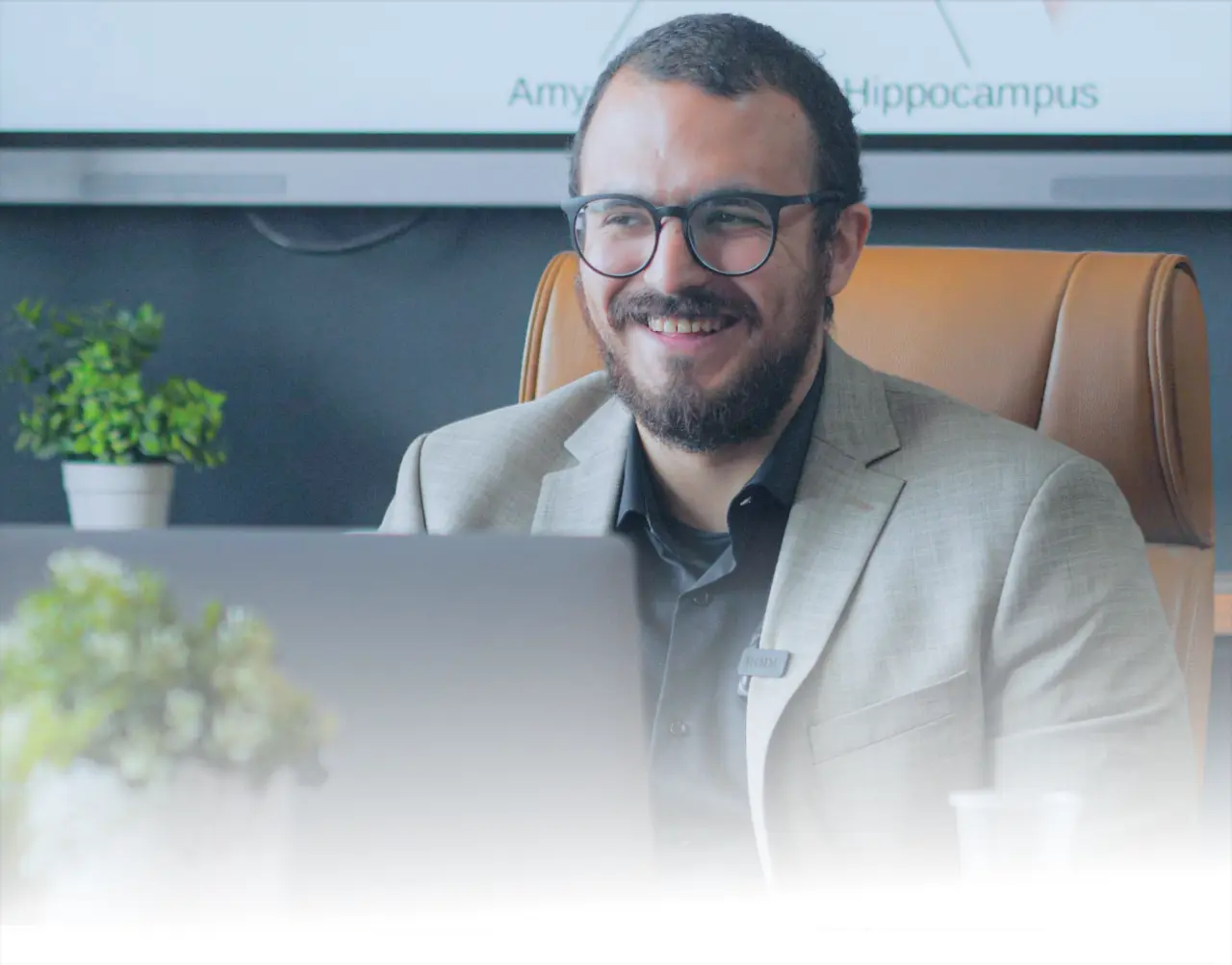
Living abroad can create a particular kind of psychological pressure. You may function in one language at work, another at home and a third inside your own thoughts. Family expectations, migration, loneliness, marriage, parenting and questions of belonging can overlap. When you seek support, you may worry that a professional will misunderstand your faith, treat culture as pathology or reduce every difficulty to religion.
Culturally sensitive online therapy offers a different starting point: your values and context are taken seriously, but they are not used to make assumptions about you. The work remains professional, collaborative and attentive to clinical limits. This guide explains what to look for, what to expect in a first online session and how Dr Oussama Benchekroun works with Muslim clients internationally in English, Arabic, Darija or French.
Why Muslim expats may hesitate to seek therapy
Some people fear being judged by their community for asking for psychological support. Others have previously met professionals who did not understand the importance of faith, family loyalty or collective responsibility. A third group fears the opposite: a counsellor may agree with every family expectation in the name of culture and leave no space for individual choice. These concerns can make a person postpone help until the problem becomes more disruptive.
Online access can lower practical barriers, but trust still matters. The professional should be able to ask rather than assume. How important is religion in this issue? Is family support protective, pressuring or both? What does a good outcome mean to you? Cultural competence is not memorising a list about Muslims; it is maintaining curiosity, recognising power and context, and adapting communication without losing clinical clarity.
Culturally sensitive does not mean religious counselling
Faith can be a source of hope, discipline, meaning and community. It can also become involved in guilt, fear or conflict when a person receives contradictory messages from family, community and personal conscience. Therapy can explore these experiences when they matter to you. It should not preach, decide religious questions for you or use spiritual language to avoid a psychological or medical issue.
Research on culturally adapted cognitive behavioural approaches with Muslim clients suggests that effective adaptation involves more than translating a manual. It includes preparation, engagement, awareness of relevant cultural issues and adjustments in the therapeutic process. The important point is not that every Muslim needs the same adaptation. The point is that the professional should understand how culture may shape the meaning of symptoms, the relationship with therapy and the solutions a client can realistically use.
Common themes in sessions with people living abroad
Migration can magnify ordinary life transitions. A marriage may involve expectations from two families and two cultural environments. Parenting may raise questions about language, identity and values. Professional success may coexist with isolation or the feeling that you cannot show vulnerability. Returning home can also be difficult when you discover that you have changed and the family system expects the earlier version of you.
Clients may seek help for overthinking, persistent stress, relationship patterns, avoidance, sleep problems or physical symptoms that intensify under pressure. These experiences do not automatically indicate a mental disorder, and physical symptoms should not be dismissed as psychological. A psychosomatic approach considers medical history, nervous-system responses, emotions, behaviour and life context together.
- Feeling divided between personal needs and family expectations
- Loneliness despite professional or social functioning
- Marriage and parenting across cultures
- Physical tension or fatigue during prolonged stress
- Difficulty finding support in a preferred language
What happens in the first online session?
The first meeting clarifies what is happening, how long it has been present, what has already been tried and what change would matter. Dr Oussama Benchekroun may ask about physical symptoms, sleep, relationships, significant events and medical care when they are relevant. You remain in control of what you disclose and can say that a topic feels too sensitive for the first session.
The work then looks for patterns connecting triggers, interpretations, emotions, body sensations and actions. For example, fear of disappointing family may lead to silence, resentment, a strong reaction and then guilt. Mapping that sequence creates several possible intervention points. The session ends with a summary and a proportionate next step: observation, practice, another session, medical assessment or local specialist support.
How to judge whether the therapist is a good fit
Professional background and approach matter, but so does the working relationship. The NIMH recommends asking about a therapist’s credentials, experience, proposed approach and how treatment will proceed. You should be able to ask why a method is suggested, what its limits are and how progress will be reviewed. Rapport does not mean agreeing on everything; it means feeling sufficiently safe to be honest and sufficiently respected to make informed choices.
Notice whether the professional makes assumptions about your religiosity, marriage, gender roles or family. Good cultural sensitivity makes room for complexity. It also maintains boundaries: therapy is not friendship, religious authority or emergency availability. If the clinician believes that remote care is not appropriate, a referral to local services may be the most responsible recommendation.
Privacy across countries and time zones
Join from a quiet room, use headphones if others are nearby and choose a private internet connection rather than public Wi-Fi. Secure your device and do not record the session without explicit agreement. Privacy at home can be difficult in multigenerational households; WHO regional research on tele-mental health has documented concerns about family members overhearing sessions. If privacy is not possible, discuss alternatives before the appointment.
When you send three preferred times, include the country or city where you will be located so the coordinator can account for the time zone. WhatsApp is used for booking and should not contain a complete medical history or highly sensitive files. A scheduled session is not a crisis service. Emergency support must come from the services available where you are physically located.
Therapeutic hypnosis and personalised follow-up
Dr Oussama’s approach combines medicine, psychotherapy, psychosomatic understanding and therapeutic hypnosis. Hypnosis may be used when it suits the goal and you consent. You remain conscious and able to speak or stop. It is not sleep, mind control or a guaranteed shortcut. Many sessions do not require hypnosis, and the method should never be imposed because it sounds impressive.
One session may clarify a decision or organise a confusing situation. More established patterns can require several meetings and practice between sessions. When appropriate, a Premium online programme may support the work with structured exercises, guided practices and content between appointments. A seven-week format can be considered for some needs, but its content and fee are personalised and explained separately.
How to book an international session
An individual online session lasts 45 to 60 minutes and costs 800 MAD or the equivalent. Sessions are available in English, Arabic, Moroccan Darija or French. Send your name, location and three suitable times through WhatsApp. Fatima Zahra will check the schedule and confirm the earliest compatible appointment.
Do not wait for a scheduled session if you may harm yourself or someone else, cannot stay safe, have severe breathing difficulty, new chest pain, loss of consciousness, sudden neurological symptoms or another immediate danger. Contact emergency services in your current country. Online international care must complement, not replace, local emergency and medical resources.
How to turn insight into change between sessions
Therapy is more useful when insight is connected to everyday observation. You may be invited to record one or two situations: what happened, what meaning you gave it, how your body reacted, what you did and what followed. This is not homework designed to test obedience. It provides concrete material for the next conversation and helps distinguish a repeated pattern from a difficult but isolated day.
A useful exercise should have a clear purpose. It may involve attention, breathing, communication, gradual behavioural change, writing or recovery. Ask how often to practise it and what to do if discomfort rises. Techniques copied from social media are not automatically suitable for your health, trauma history or circumstances. Personalisation matters more than collecting an impressive number of methods.
Progress can be measured through small observable indicators: less time spent ruminating, a reduced avoidance, better recovery after conflict, more consistent sleep or the ability to state a boundary. Improvement is rarely perfectly linear. Reviewing what helped, what did not and why allows the plan to evolve without blaming the client or pretending that every setback has the same meaning.
When online international support should be supplemented locally
Remote sessions can provide continuity and language choice, but they cannot supply every form of care. Physical examination, medication management, formal diagnostic procedures and immediate crisis intervention require appropriate local professionals. If a symptom is new or medically concerning, arrange an assessment where you live rather than assuming that stress explains it.
Local support may also be important when risk increases, privacy at home is impossible, substance use requires medical supervision or family safety is involved. With your consent, a coherent plan may include an online therapeutic space and local medical or mental-health services. Good care is not defined by keeping every need with one practitioner; it is defined by recognising limits and connecting the right resources.
Before booking internationally, consider your location, time zone, emergency contacts and ability to join privately. Share your country with the coordinator so that scheduling is accurate. These practical details may feel secondary, yet they form part of a safe therapeutic frame and make it easier to focus fully once the session begins.
FAQ
Frequently asked questions
Is this Islamic counselling?
No. It is professional therapeutic support that can include faith and culture when they are relevant to you. It does not replace therapy with preaching or religious rulings.
Do I need to be a practising Muslim?
No. The service is for people who value cultural understanding, regardless of how they personally practise or identify.
Which languages are available?
Sessions can be held in English, Arabic, Moroccan Darija or French.
How much does a session cost?
An individual 45–60 minute session costs 800 MAD or the equivalent. Any extended Premium programme is priced separately.
Can hypnosis be used online?
It may be used when appropriate and accepted. You remain conscious and in control, and useful therapy can take place without hypnosis.
How do I book across time zones?
Send your name, country and three suitable times on WhatsApp. Fatima Zahra will confirm the earliest compatible appointment.
Does a WhatsApp message confirm the appointment?
No. It is a request until Fatima Zahra replies with the confirmed date and time.
Sources and references
- PubMed — Culturally sensitive CBT with Muslim clients
- NIMH — Psychotherapies and choosing professional support
- WHO EMRO — Patient experiences and privacy in tele-mental health
This article is educational and does not provide a diagnosis or replace local medical and emergency services.

Dr Oussama Benchekroun
Médecine psychosomatique · Hypnose thérapeutique